
- Home
- About Us
- Products
- BioCNG Biogas Upgrading Systems
- Amine Biogas Upgrading Systems
- BioCNG Agricultural Biogas Upgrading Systems
- Biogas Conditioning Systems for Engine/Boiler/LGEN
- Biogas Conditioning Systems for Turbines
- Siloxane/VOC Removal Systems
- Hydrogen Sulfide Removal Systems
- Siloxane/VOC & Hydrogen Sulfide Removal Media
- Pressure Vessels & Custom Fabrication
- Services
- Resources
- Projects
- Request A Quote
- Contact Us
Complete Biogas Testing Services
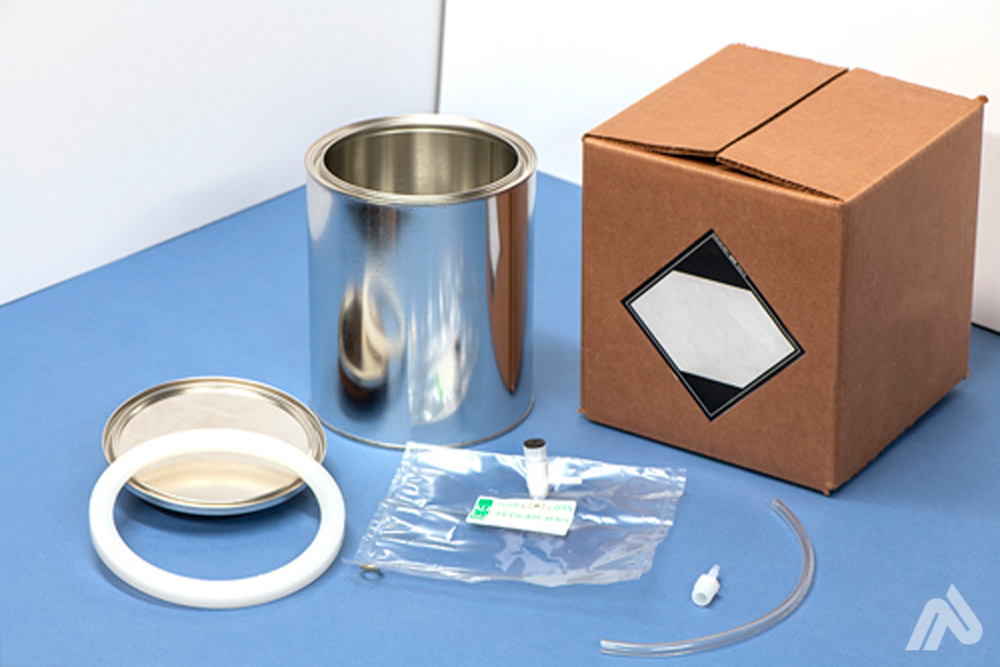

Before designing a conditioning system, upgrading to renewable natural gas (RNG), or troubleshooting a performance issue, you need to know what’s in your gas. Biogas composition varies significantly by source. The difference between a well-characterized gas stream and an unknown one can be the difference between a system that performs or doesn’t.
Unison Solutions offers comprehensive biogas testing services to help operators, engineers, and project developers make informed decisions at every stage.
Why Biogas Testing Matters
Biogas is not a uniform fuel. Depending on the source — wastewater digester, landfill, agricultural operation, or food waste facility — the gas will contain varying concentrations of methane, carbon dioxide, hydrogen sulfide, siloxanes, volatile organic compounds (VOCs), moisture, and other contaminants.
Accurate test data is essential for:
- System sizing and equipment selection — Contaminant levels determine the type and scale of removal equipment required.
- Equipment protection — H2S and siloxanes are the most common causes of premature wear in engines, turbines, and membrane systems. Knowing your concentrations upfront protects your investment.
- Pipeline tariff compliance — RNG pipeline injection requires meeting utility interconnection quality specifications. Testing verifies your gas meets the required standards before injection begins.
- Ongoing system maintenance — Regular testing tracks changes in gas composition over time, allowing your team to adjust media replacement schedules and system settings before problems develop.
Standard Biogas Testing Options
Unison offers a full range of biogas analysis services to meet the needs of conditioning, upgrading, and compliance projects:
- Major Constituents and BTU — Baseline methane, CO2, nitrogen, oxygen content, and heating value.
- Compound Speciation – Siloxanes — Identifies and quantifies individual siloxane compounds that can damage engines and turbines.
- Compound Speciation – Sulfur Components — Measures H2S and other sulfur compounds affecting equipment and downstream gas quality.
- Compound Speciation – Volatile Organic Compounds (VOCs) — Critical for RNG pipeline injection and engine applications.
Specialty testing is also available for bacteria, mercury, ammonia, hydrocarbon dewpoint, and moisture. Lab protocols and full component lists are available upon request.
More Than Just Lab Numbers
Many labs can run a gas analysis. What sets Unison apart is what happens after the results come back.
We supply DOT-compliant sampling and shipping materials, so the collection process is handled correctly from the start.
Once results are available, our trained staff interprets the data in the context of your specific application. We will compare it against past samples where available, flag trends, and make practical recommendations to keep your system operating at peak performance.
We also provide RNG tariff review and compliance recommendations. We will help you understand whether your gas meets the interconnection standards required by your utility and what additional treatment may be needed if it doesn’t.
FREQUENTLY ASKED QUESTIONS (FAQs)
Testing frequency depends on your application. For new projects, an initial characterization test is essential before system design. For operating systems, annual testing is a common baseline. But if you’re using activated carbon or iron-based media for H2S or siloxane removal, more frequent testing helps optimize media replacement schedules and catch breakthrough when it starts. Sites with variable feedstocks (food waste co-digestion, for example) often benefit from more frequent sampling.
H2S and siloxanes are contaminants that frequently cause equipment problems, and they should be included in any biogas analysis. For RNG pipeline injection projects, VOC speciation and bacteria testing are typically required to meet utility tariff specifications. If your site uses co-digestion or receives industrial waste streams, more specialized testing may also be warranted.
Yes. In fact, test results are the foundation of any accurate system design. Contaminant concentrations drive media vessel sizing, removal technology selection, and system configuration. Without measured data, system designs rely on assumptions that may result in undersized equipment or unnecessary cost. Unison’s team can review your test results and recommend the appropriate conditioning or upgrading solution for your application.
Yes. Shipping of biogas samples is regulated by the DOT. The sampling and shipping materials Unison supplies meet or exceed all applicable DOT regulations, so you don’t have to navigate that complexity on your own.